
Altitude in Puno at a glance
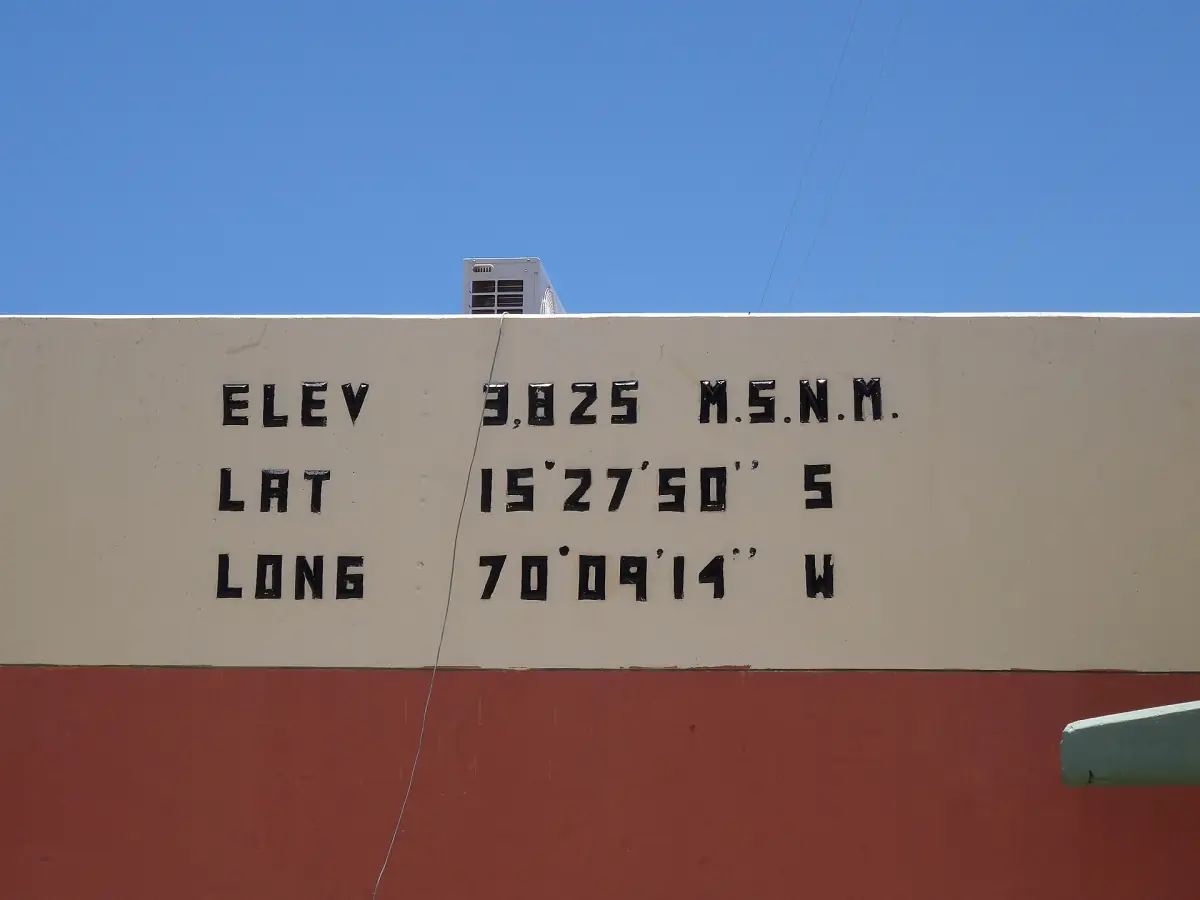
Puno lies at roughly 3,800 m. The national tourism board lists 3,827 m for the Puno area, an older figure, so treat it as a rounded value rather than a survey. The lake, the city, the islands and Sillustani are all close to this height, and they differ by only about 100 to 150 m.
This page gives general information from a public health authority, the US Centers for Disease Control and Prevention (CDC Yellow Book, 2026 edition). It is not a diagnosis and not personal advice. If you have a heart, lung or other health condition, are pregnant or travel with children, talk to a doctor or a travel clinic before you go.
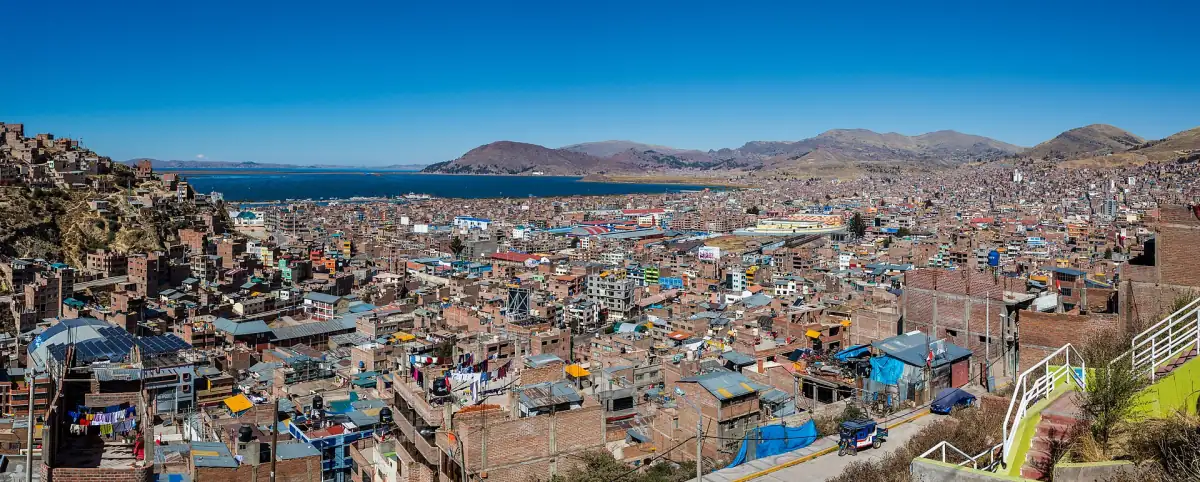
Heights around Puno
Rounded figures from official inventories and the tourism board. They are not current survey values.
| Place | Height | Note |
|---|---|---|
| Lake Titicaca | About 3,810 m | Rounded figure for the lake, 2026 inventory |
| Puno | About 3,800 m | The tourism board lists 3,827 m |
| Chucuito | 3,887 m | Older inventory, 2023 |
| Sillustani | 3,909 m | Lake Umayo, about 35 minutes from Puno |
| Taquile | 3,950 m | Island height, not the height of the summit |
| Amantani | 3,950 m | Island height; do not apply it to the ceremonial hills |
If you sleep on Amantani, you sleep roughly 150 m higher than in Puno. The difference is small, but a night on the island is not a gentle first night at altitude.
Lake Titicaca tours from Puno
Easy half-day boat trips and longer island tours from Puno, with live prices and availability.
What the CDC says in general
General guidance for travelers, summarized. This is not medical advice.
Who is affected
Unacclimatized people can become ill from about 2,450 m of sleeping altitude. Fitness does not reliably protect you, and children are affected too.
Go up slowly
Avoid going straight from low elevations to a sleeping altitude above 2,750 m in one day. Above 3,000 m, raise your sleeping altitude by no more than about 500 m a day, and add a rest day for every extra 1,000 m.
Take the first 48 hours easy
Keep activity light and avoid alcohol in the first 48 hours. Do not assume you are fully acclimatized after that.
Know the symptoms
Headache with dizziness, tiredness, loss of appetite, nausea or vomiting, often beginning 2 to 12 hours after arrival or ascent. If you feel unwell, do not go higher. If you get worse, go down.
Warning signs
Confusion, loss of coordination or breathlessness at rest can mean severe altitude illness. They need urgent medical help and descent.
This page does not recommend medication, doses, coca tea or oxygen as self-treatment. Ask a doctor or travel clinic about those before your trip.
Planning your first days
A few practical points follow from the guidance above. They are general planning ideas, not a medical plan.
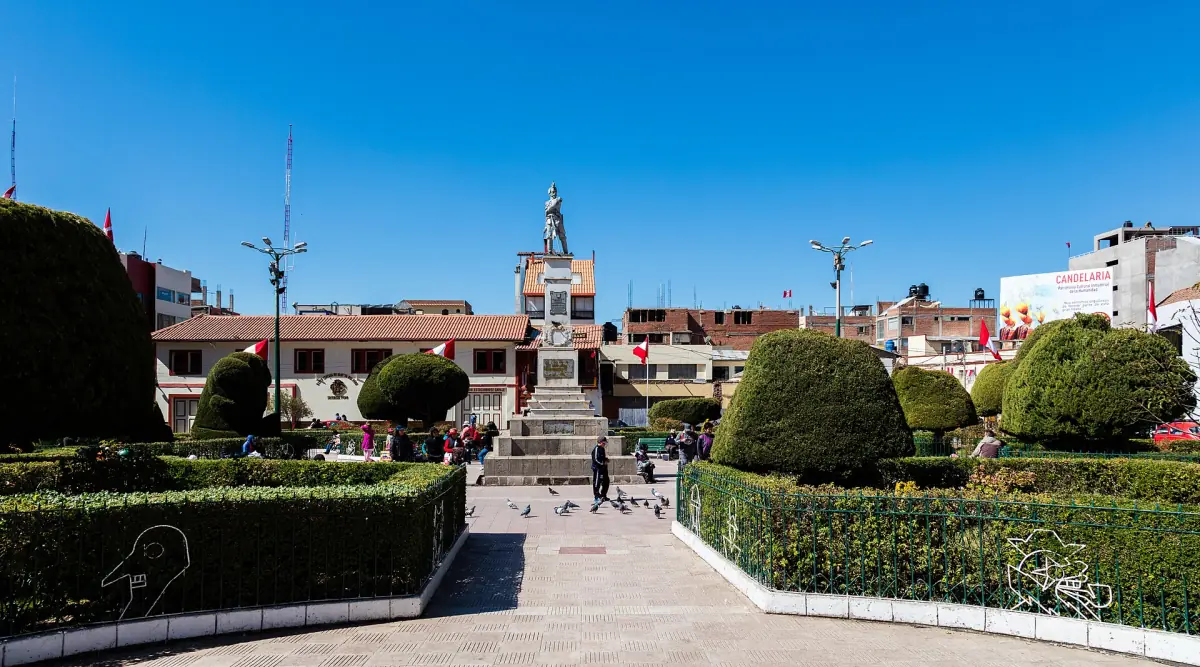
- Leave the first day free. Walk slowly, eat lightly and skip alcohol. The walk from the Plaza de Armas to the lakeshore is about 1,200 m (20 minutes), and it is a good short test of how you feel.
- Put the island overnight after a day or two. A night on Amantani is at about 3,950 m. Book it once you have spent time in Puno.
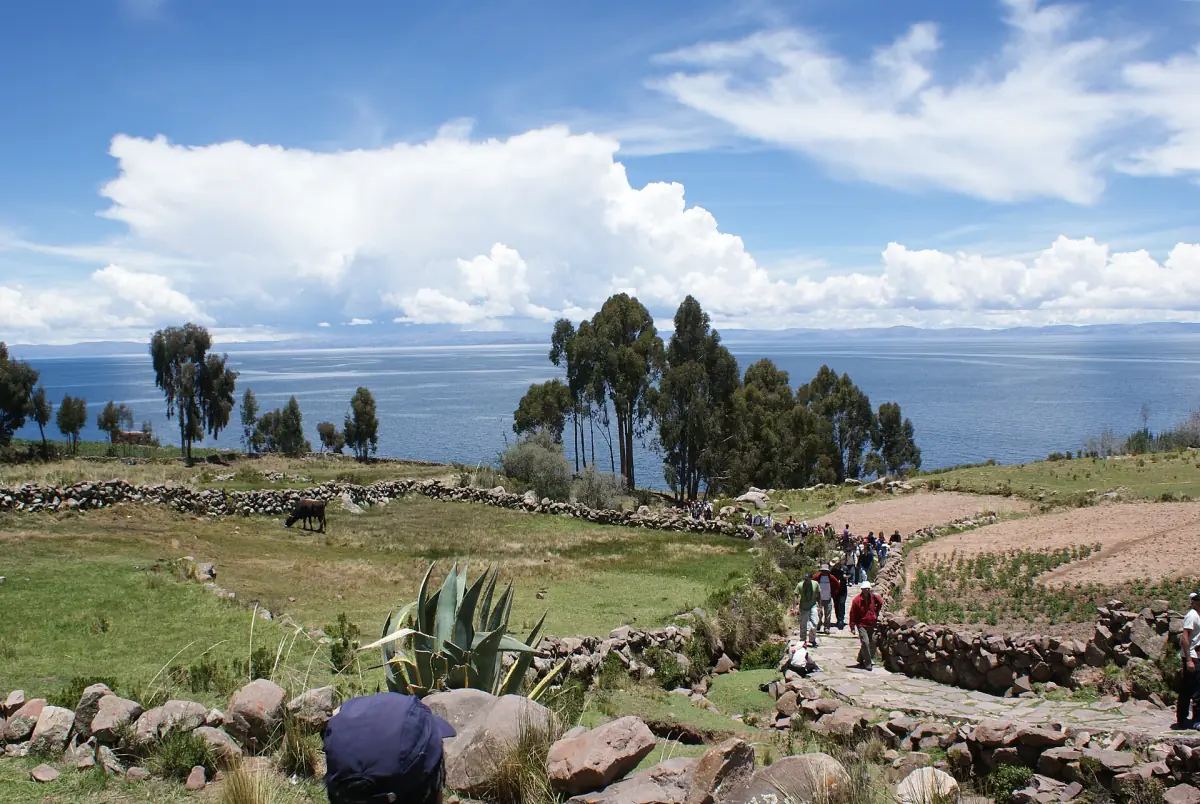
- Plan for the stairs on Taquile. The path from the Chilcano harbor has 540 steps, and the path from the Chuño harbor takes about 45 minutes. Walk slowly and rest. See Taquile Island.
- Tell your host or guide if you feel unwell. Taquile is about 3 hours from Puno by regular boat, so help is not close.
- Count in the cold. The mean winter minimum drops below 0 °C in June and July. See weather and best time.
Related pages
Plan around the height.
Altitude in Puno: frequently asked questions
How high is Puno?
Roughly 3,800 m. The national tourism board lists 3,827 m for the Puno area, and the lake is at about 3,810 m in the official inventory. These are rounded figures.
Can I get altitude sickness in Puno?
The CDC says unacclimatized travelers can become ill from about 2,450 m of sleeping altitude, so Puno is well above that. Fitness does not reliably protect you. Ask a doctor for advice that fits your health.
What are the symptoms?
The CDC lists headache with dizziness, tiredness, loss of appetite, nausea or vomiting, often starting 2 to 12 hours after arrival or ascent. Do not go higher with symptoms, and go down if they get worse.
When should I get urgent help?
Confusion, loss of coordination or breathlessness at rest can mean severe altitude illness. They need urgent medical help and descent. Do not wait it out.
Does coca tea or oxygen prevent altitude sickness?
This page does not recommend them as self-treatment. Ask a doctor or travel clinic about medication and other measures.
Is Amantani harder than Puno?
You sleep about 150 m higher, at roughly 3,950 m, and help is farther away. Spend a day or two in Puno first, and tell your host or guide early if you feel unwell.