
Lake Titicaca at a glance
Lake Titicaca lies at roughly 3,810 m and covers about 8,560 km², according to the Peruvian tourism ministry's inventory. The lake is shared between Peru and Bolivia. The national reserve agency calls it the highest navigable lake, so avoid claims that it is the highest lake in the world.
The lake belongs to a closed drainage system. The Desaguadero is the river that flows out of it within that system, and it is also the name of a border town. The heights quoted here are rounded figures from official inventories, not a current water gauge reading.
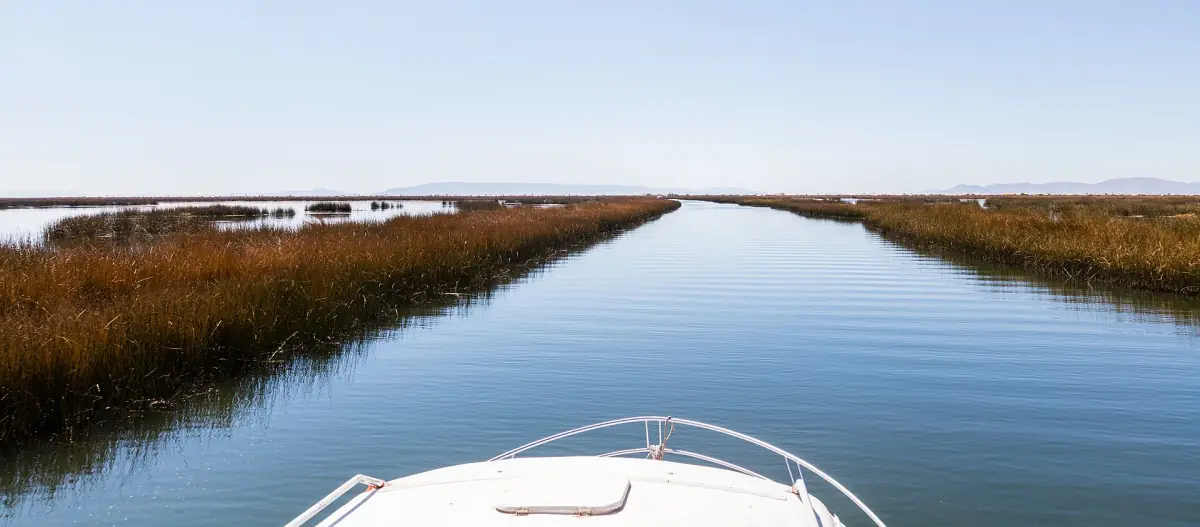
Two basins, one lake
The Peruvian side near Puno belongs to the larger basin.
The lake has two main parts. The larger Lago Mayor, also called Lago Chucuito, and the smaller Lago Menor, also called Wiñaymarca, are joined by the narrow Strait of Tiquina. Puno sits on the Peruvian shore of the larger basin. Taquile and Amantani are on the Peruvian side. The Isla del Sol is on the Bolivian side, off Copacabana.
From the center of Puno, the official inventory describes a walk of about 1,200 m (20 minutes) from the Plaza de Armas to the corner of Costanera and Titicaca, and then 400 m (10 minutes) to the harbor. Most island boats leave from this harbor, and many tours include a pickup from your hotel in the center.
Our picks: Lake Titicaca
By speedboat, with a night on Amantani or by kayak at sunset.
Hand-picked tours, booked through GetYourGuide. Prices are indicative starting prices in US dollars (as of October 2026). Tap a tour for live availability and the current price in your currency.
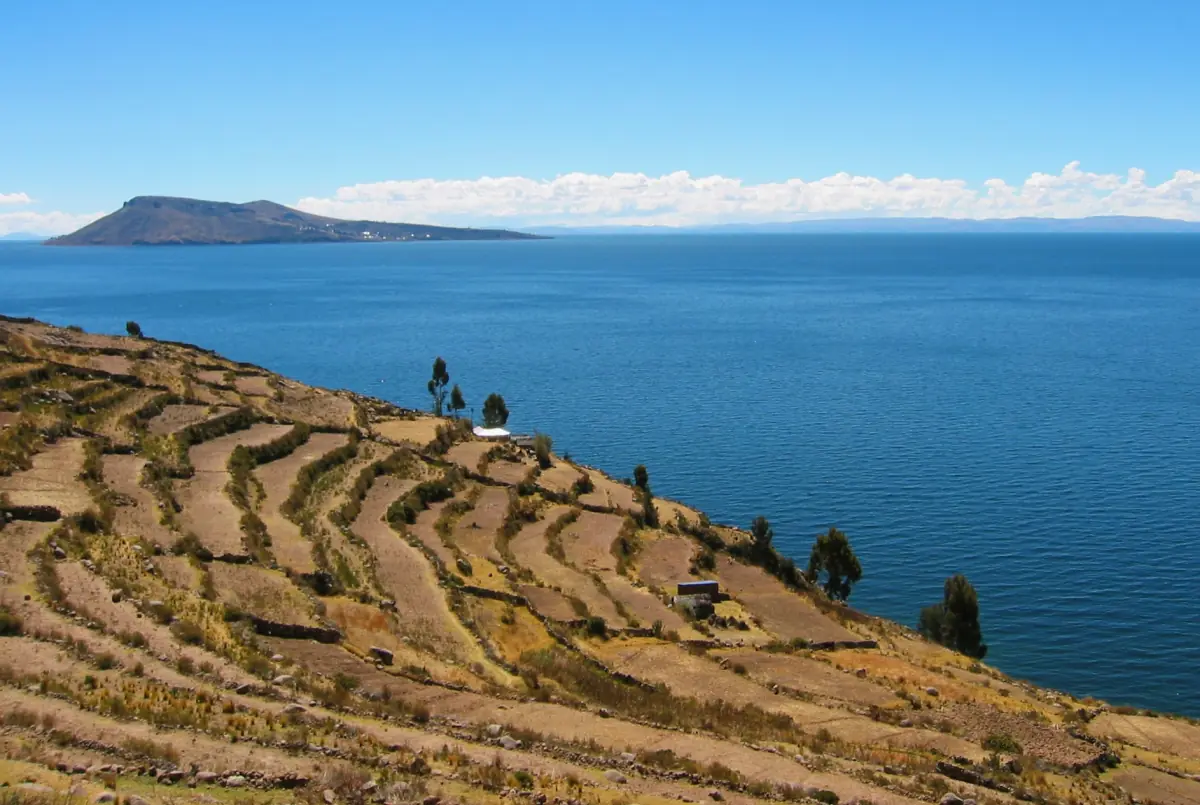
Uros, Amantani and Taquile in two days
One night with a host family on Amantani, with breakfast, one lunch and dinner, all island entries and the hotel transfer. The reed boat ride (15 PEN per person) is not included.
Check availability →Sunset kayak on Lake Titicaca
Hotel transfer to the kayak harbour and back, kayak equipment, Uros entry and a group guide in English or Spanish.
Check availability →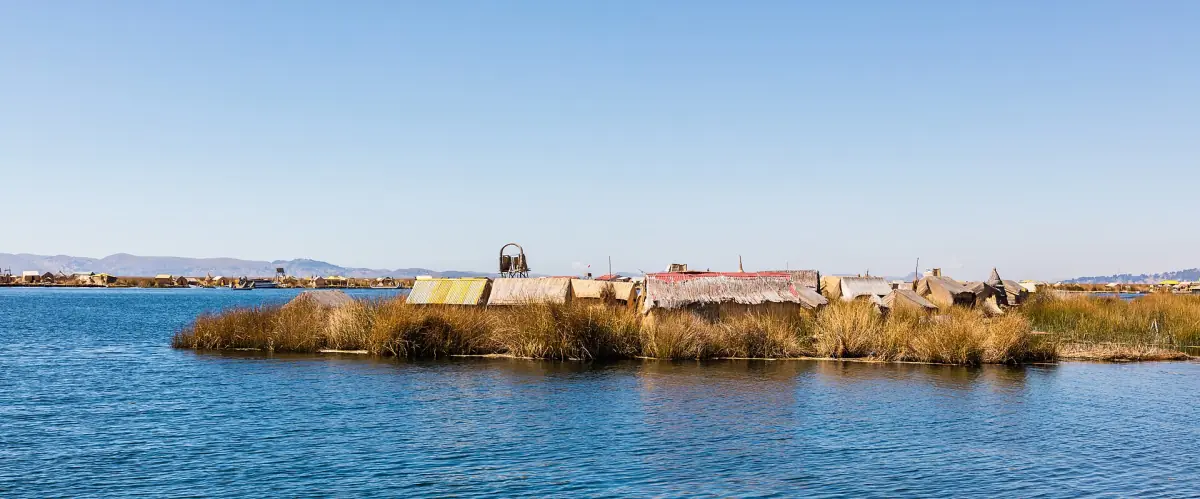
Uros and Taquile by speedboat
Hotel-to-harbour transfer, Uros and Taquile entries, a Spanish or English guide, lunch and a speedboat with safety gear.
Check availability →Lake Titicaca tours from Puno
Boat trips to the Uros, Taquile and Amantani and day trips to Sillustani from Puno, with live prices and availability.
The Titicaca National Reserve
The reserve covers 36,180 ha in two sectors: Puno, with about 29,150 ha, and Ramis, with about 7,030 ha. The protected area is much smaller than the lake itself. The official inventory of September 2026 lists entry as free, the visiting season as year-round and the visiting window as 7:30 a.m. to 3:00 p.m. Visits for purposes other than tourism need prior agreement with the reserve administration.
The reserve agency's own visitor page leaves its fee and hours fields empty, so do not read the free entry to the reserve as free entry to the islands. Island fees are separate, and there is no common ticket.
Rules on minimum distances to animals, drones or swimming can differ by area and change. Follow your guide's instructions and local signs, and keep a respectful distance from nesting birds.
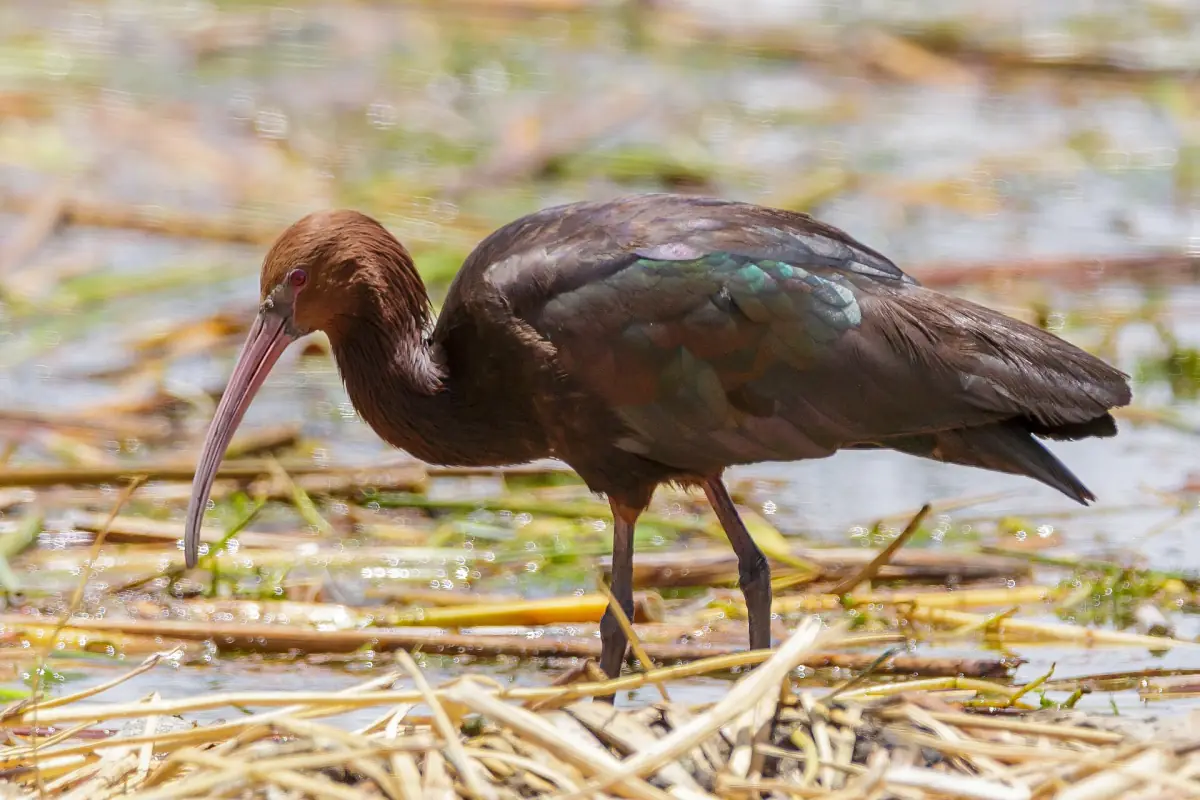
Reeds, birds and fish
The totora reed beds are the base of the lake's wildlife.
Totora reeds give birds a place to breed and shelter. The official inventory names the endemic Titicaca grebe, the giant frog and native Orestias fish. It also lists a specialized birdwatching route at Yanico. Reeds matter to people too: the Uros build their islands, houses and boats from totora. See the Uros Islands guide for how that works and how to visit with care.
Sunrise over the reeds is a quiet time to be on the water. Ask a boat operator whether an early departure is possible. Do not leave plastic or food waste on the water or on the islands.
The islands compared
Official inventory figures for 2026. Boat times vary with the boat and the route.
| Island | Country | From Puno | Island fee |
|---|---|---|---|
| Uros | Peru | About 20 to 40 minutes, depending on the source | S/ 8 |
| Taquile (3,950 m) | Peru | 36 km, about 3 hours by regular boat | S/ 8 (one portal lists S/ 10) |
| Amantani (3,950 m) | Peru | About 3 hours 45 minutes by boat | S/ 8 |
| Isla del Sol | Bolivia | Via Copacabana, then a boat of about 90 minutes to Yumani | – |
Fees are for the islands only, not for the boat, and a tour may already include them. The two islands in the Peruvian part of the lake have their own pages: Taquile and Amantani. For the Bolivian side, see Copacabana and Isla del Sol.
How to visit from Puno
Pick the length of trip first, then the islands.
Half a day
The Uros alone, with a regular boat and a guide. One operator lists $12 per person in 2026, including hotel transfer in the center and island fees.
Uros Islands →A full day
Uros and Taquile together take about 9 hours. One operator lists a price from $50 per person, with pickup around 7:00 a.m. and return before 4:00 p.m.
Taquile Island →Two days, one night
Uros, Amantani and Taquile with a night in a simple family home. One operator lists $48 per person, with island fees, lodging and meals included.
Amantani →Overland instead
Sillustani, on Lake Umayo, is a separate lake about 35 minutes from Puno by road. It is not on Lake Titicaca.
Sillustani →The altitude affects every trip. Read the altitude page before you plan the first full day, and check the weather and best time for the dry and rainy seasons.
Staying safe around the lake
The British government's travel advice reports robberies of people walking alone near the lake. It recommends asking locally about safe areas and walking in groups at night near the southern end of the lake. This is a caution for lone walkers, not a verdict on the whole city. Protests can also interrupt roads and the border at short notice, so ask your hotel for the situation on the day.
Lake Titicaca: frequently asked questions
How high is Lake Titicaca?
About 3,810 m, according to the Peruvian tourism ministry's inventory of August 2026. The figure is rounded, and the real level changes. Puno itself is at roughly 3,800 m.
Is Lake Titicaca the highest lake in the world?
The national reserve agency describes it as the highest navigable lake. That is a narrower claim than the highest lake in the world, so use it with care.
Do I pay to enter the reserve?
The official inventory of September 2026 lists reserve entry as free. Island fees are separate, at S/ 8 each for Uros, Taquile and Amantani in the 2026 inventory, and many tour prices already include them.
Can I swim in the lake?
The water is cold at this altitude, and the reserve protects wildlife. Rules can differ by area, so ask your guide or host before you get in.
Which side of the lake is better for a visit?
Neither is better for everyone. The Peruvian side near Puno has the Uros, Taquile and Amantani. The Bolivian side has Copacabana and the Isla del Sol. Both can be combined, see the Copacabana page.